

Manchester is a city with fashion in its DNA. Long before fashion weeks, designer labels and modern runways, Manchester was at the heart of Britain's textile industry. Known as Cottonopolis, the city played a major role in the Industrial Revolution and became internationally recognised for cotton manufacturing, textiles and trade.
Today, Manchester's fashion industry looks very different, but the city's connection with fashion hasn't disappeared. It has evolved.
From independent designers and sustainable fashion businesses to creative spaces, fashion retailers and major cultural events, Manchester continues to build its reputation as one of the UK's most important creative cities.
And this September, that relationship with fashion is once again taking centre stage as Manchester Fashion Week returns from 9 to 12 September 2026.
The original Manchester Fashion Week was founded in 2011, before returning in 2025 after a decade away. The 2026 event marks another significant step forward, with a much larger programme spanning four days and 12 venues across the city.
Manchester's fashion story started long before Fashion Week
To understand why Manchester Fashion Week matters, it's worth looking back. Manchester's textile industry was fundamental to the city's growth. During the Industrial Revolution, the city became synonymous with cotton manufacturing, with mills, warehouses and trading businesses transforming Manchester into a global centre for textiles.
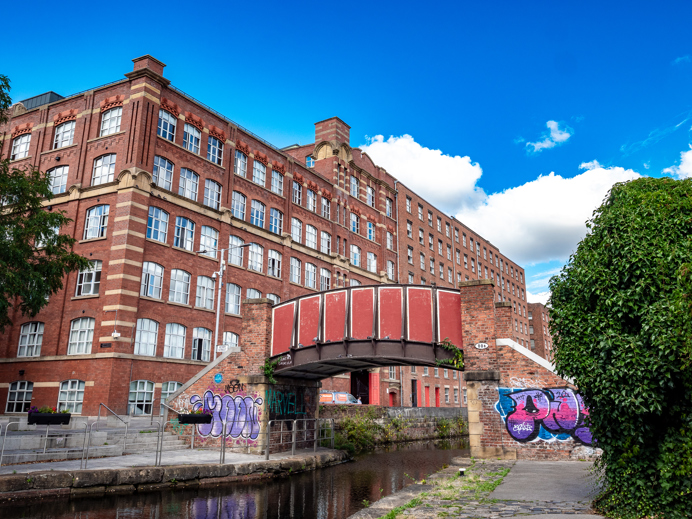
The nickname Cottonopolis reflected the scale and importance of the industry. While Manchester's textile manufacturing industry has changed dramatically, its legacy can still be seen throughout the city. Many of the historic cotton mills and industrial buildings that once housed manufacturing have since been given a new lease of life, converted into apartments, offices, studios, restaurants and commercial spaces.
This is particularly interesting from a property perspective. Former industrial buildings across Manchester have become highly sought after places to live and work, combining original architectural features and industrial character with modern interiors and facilities.
Ancoats is a great example. Former factories and mills have become homes, while historic buildings sit alongside modern developments, independent businesses, restaurants and creative spaces.
Some of the city's creative and fashion businesses also occupy commercial space within former mills and industrial buildings, creating a direct link between Manchester's industrial past and its modern creative economy.
For residents, converted mill apartments offer something quite unique, the opportunity to live within a piece of Manchester's history while being right in the middle of a modern, evolving city. It's a great example of how Manchester has evolved without losing its identity.
That history is one of the reasons Manchester Fashion Week's 2026 theme, "Industrial Revolution to Fashion Evolution", feels particularly relevant. The event is connecting a modern creative industry with a city that helped shape the textile industry in the first place.

Manchester's fashion scene today
Manchester's relationship with fashion has continued to develop well beyond its textile manufacturing roots.
The city is now home to independent designers, established fashion businesses, vintage retailers, sustainable fashion brands, creative agencies and a growing network of people working across the wider fashion industry.
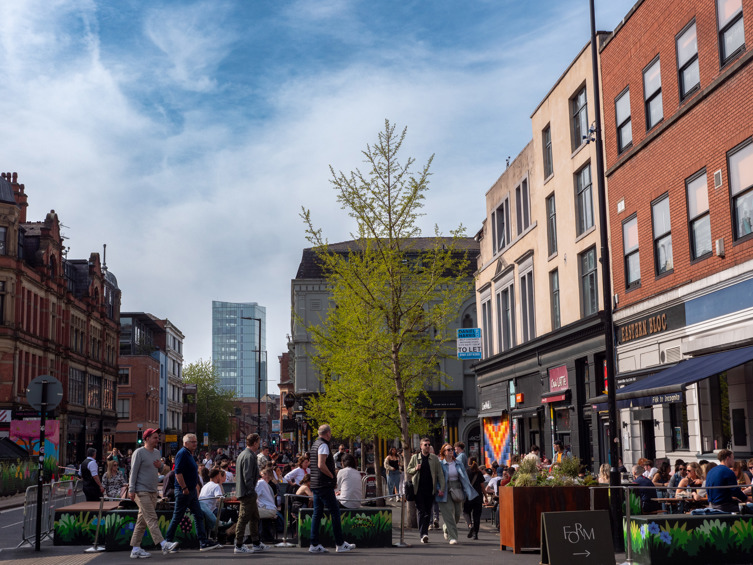
The Northern Quarter, in particular, has become closely associated with independent fashion and creativity, with independent retailers, designers and creative businesses contributing to the neighbourhood's distinctive character.
Across the city, former industrial buildings and warehouses have also become creative spaces, studios and commercial premises, giving fashion and other creative businesses somewhere to establish themselves.
Manchester's fashion story therefore isn't simply about its past. It's about how that heritage has been adapted for a modern city.
The British Fashion Council has also recognised Manchester's importance within the wider UK fashion landscape. In 2024, its City Wide Celebration programme expanded to Manchester and Newcastle, describing both as leading destinations for fashion and culture with a rich history in fashion, textiles and retail.
More recently, the British Fashion Council's Fashion Britain initiative has put greater emphasis on the importance of fashion beyond London, with a nationwide programme spanning cities including Manchester, Liverpool, Newcastle, Bristol, Dundee and Edinburgh.
Manchester therefore isn't trying to replicate London. It already has its own fashion identity, shaped by its industrial history, independent creative scene and wider Northern economy.
Manchester Fashion Week 2026
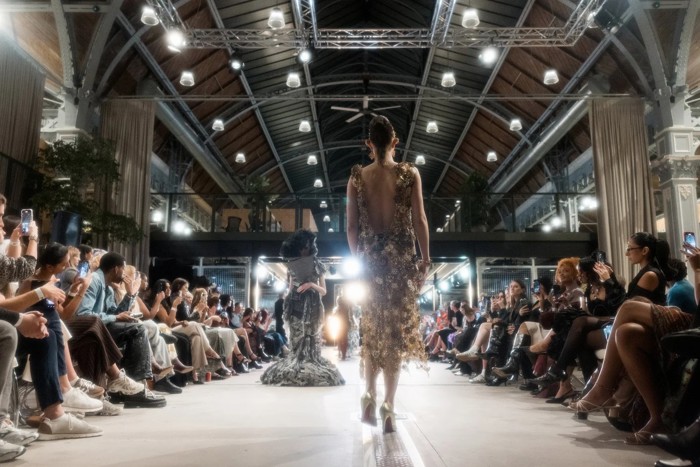
This year's Manchester Fashion Week is shaping up to be its most ambitious programme yet.Taking place from 9 to 12 September 2026, the four day event spans 12 venues across Manchester, bringing together runway shows, fashion presentations, exhibitions, talks, showcases, networking, music and cultural experiences.
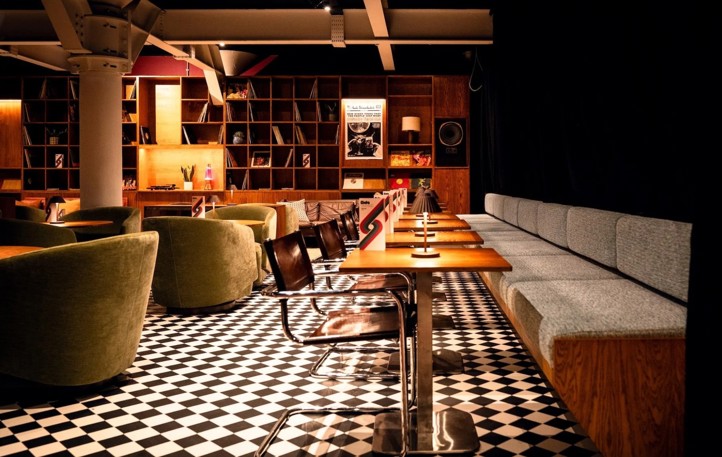
Venues include Campfield Studios, VERSA Studios, Castlefield Gallery, ABC Buildings, CUPRA Garage and Soho House, alongside other locations across the city.
The programme brings together fashion with culture, technology, manufacturing, education and business. Rather than focusing solely on the catwalk, the aim is to showcase the wider industry and create opportunities for people and businesses across different parts of the fashion ecosystem to connect. That's one of the things that makes Manchester Fashion Week particularly interesting.
Manchester Fashion Week has a packed programme across 9 to 12 September, including runway shows, talks, exhibitions, pop ups, presentations and public events. View the full Manchester Fashion Week 2026 schedule.
A Fashion Week with a distinctly Northern identity
Manchester Fashion Week isn't simply positioning itself as a smaller version of London Fashion Week.
Its focus is much broader, bringing together the people and businesses that make up the wider fashion industry, from designers and brands to manufacturers, educators, technology companies, creative businesses and cultural organisations.
The official programme describes Manchester Fashion Week as a place where emerging designers meet industry leaders, while its wider creative directory is being developed to connect talent across fashion, music, dance, beauty, art and other creative industries throughout Manchester and the North of England.
That reflects something important about Manchester, its fashion industry doesn't exist in isolation.
Fashion connects naturally with the city's established strengths in manufacturing, media, music, design, technology, education and the wider creative industries.
Big names, brands and creative talent
Manchester Fashion Week 2026 brings together an impressive mix of established industry figures, designers, brands and emerging creative talent.
The programme includes speakers such as Katharine Hamnett CBE, the renowned British designer and activist, and Lynne Franks OBE, one of the influential figures behind the development of London Fashion Week.
It also features Malon Fashion, led by designer Mariusz Malon, and IGC Fashion Uganda, bringing an international perspective into the Manchester programme.
Alongside the designers and speakers, fashion brands, retailers and organisations are involved across the wider programme, reflecting the event's focus on sustainability, innovation, retail and the future of fashion.
The mix is important because Manchester Fashion Week isn't just about showcasing clothes. It's about the people, businesses, skills and ideas behind the industry.
A Fashion Week that's open to the public
Another interesting part of Manchester Fashion Week is its approach to public involvement.
Traditional Fashion Week events can often feel exclusive, with invitations, industry access and closed door shows making them difficult for the general public to experience.
Manchester is taking a broader approach.
The 2026 programme includes events open to the public, with opportunities to experience runway shows, panels, exhibitions, pop ups, presentations, music and afterparties.
There are opportunities to explore sustainable fashion through The Susty Club pop up, take part in The Big Swap, which encourages people to exchange pre loved clothing, and visit a free exhibition at Castlefield Gallery exploring the materials, fibres, craftsmanship and stories behind the clothes we wear.
There are also afterparties taking place across the city, including at Side Street, CUPRA City Garage and The Green at St John's.
It means Manchester Fashion Week isn't simply something happening behind closed doors for people working in fashion. It's becoming part of the city's wider cultural calendar.
Why Manchester Fashion Week matters for the city
Events like Manchester Fashion Week can have an impact that goes well beyond the event itself.
They bring people into the city, support venues and businesses, create opportunities for designers and creatives, encourage collaboration and help Manchester strengthen its identity as a place where creative industries can thrive.
The 2026 programme is also helping introduce Campfield Studios, a new 24,000 sq ft production and events space within the historic Upper Campfield Market Hall.
The space has been designed to support fashion, media, content, broadcast, e-commerce and audio production, with Manchester Fashion Week providing its first full scale public showcase.
It's a great example of how fashion connects with the wider Manchester economy.
It's not simply about clothes. It's about creative spaces, businesses, employment, investment, innovation and the future identity of the city.
Manchester's creative scene is part of what makes the city attractive
Fashion is just one part of Manchester's much wider creative identity. The city is known for its music, food and drink, arts, culture, sport, independent businesses and nightlife. New venues and developments continue to add to that offering, while established neighbourhoods continue to evolve.
For people living in Manchester, this creates a lifestyle that goes beyond simply having somewhere to live. It's about having things to do, places to visit, businesses to support and communities to be part of.
This is particularly noticeable in areas such as the Northern Quarter, Ancoats, Castlefield and the city centre, where residents are surrounded by independent businesses, restaurants, bars, cultural venues and creative spaces. Manchester Fashion Week and the thriving Fashion Industy in Manchester adds another layer to that.
What does this mean for Manchester property?
A city's appeal isn't based on one factor. Employment opportunities, transport connections, universities, investment, culture, leisure and lifestyle all contribute to how attractive a place is to live. Manchester's continued growth across these areas is one reason the city remains such an interesting place for property investors.
And Manchester's fashion and property stories are actually more connected than you might first think. The city's historic industrial buildings have been transformed into some of its most distinctive residential and commercial spaces. Former cotton mills that once powered Manchester's textile industry now provide homes, offices, studios and retail spaces for the people and businesses helping shape the city's next chapter.
For landlords and property investors, understanding what makes different parts of Manchester attractive can be just as important as looking at rental figures.
Areas with strong transport links, employment opportunities, amenities, culture and things to do can appeal to a wide range of tenants.
The continued development of Manchester's creative industries is another part of the wider picture, helping attract businesses, workers, students and visitors to the city.
And as Manchester continues to evolve, so does its property market.
A city with a long history of reinvention
From the mills of Cottonopolis to modern creative studios, Manchester has never been afraid to reinvent itself. Its textile industry helped put the city on the global map. Today, Manchester is building on that heritage through creativity, culture, technology, business and innovation. Manchester Fashion Week is a part of that story.
The 2026 event brings together Manchester's fashion heritage with the people and ideas shaping the future, while opening the conversation to the wider public.
From the city that helped transform the textile industry to a city continuing to shape the future of fashion, Manchester's relationship with fashion is far from over. And that's something worth celebrating.
Discover Manchester with Northern Group
At Northern Group, we're proud to operate in a city that continues to evolve.
Whether you're looking for a home in Manchester, considering a property investment or already own a rental property in the city, our team understands the different neighbourhoods and what makes them attractive to residents and investors.
We offer residential sales, commercial and residential lettings, property management for landlords across Manchester and the surrounding areas.
If you're looking for a property in Manchester or looking for professional support managing a rental property, our team can help you find the right opportunities across the city.